
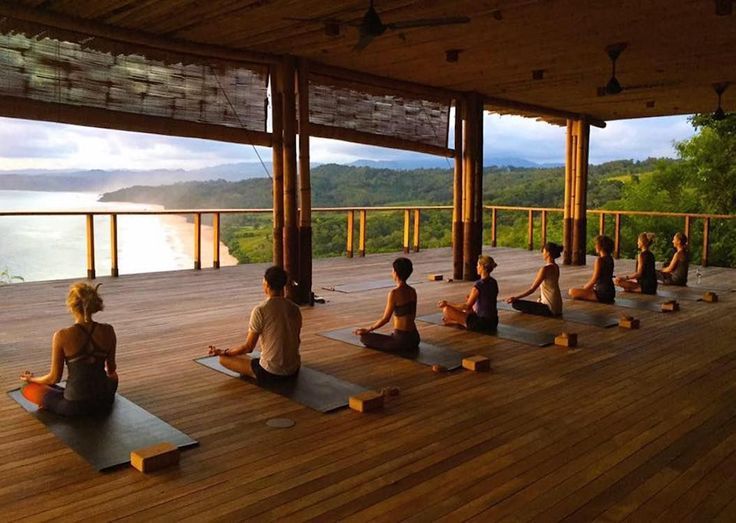
The ancient practice of yoga is revealing new therapeutic applications for modern psychological challenges, particularly for individuals struggling with people-pleasing behaviors. According to recent insights from yoga practitioners and therapists, the physical component of boundary-setting may hold the key to lasting behavioral change. This approach represents a significant shift from traditional talk therapy methods, suggesting that the body's wisdom can guide individuals toward healthier interpersonal dynamics. The connection between physical posture, breath awareness, and psychological boundaries is becoming increasingly recognized in both yoga communities and therapeutic settings, offering hope for those trapped in cycles of over-accommodation.


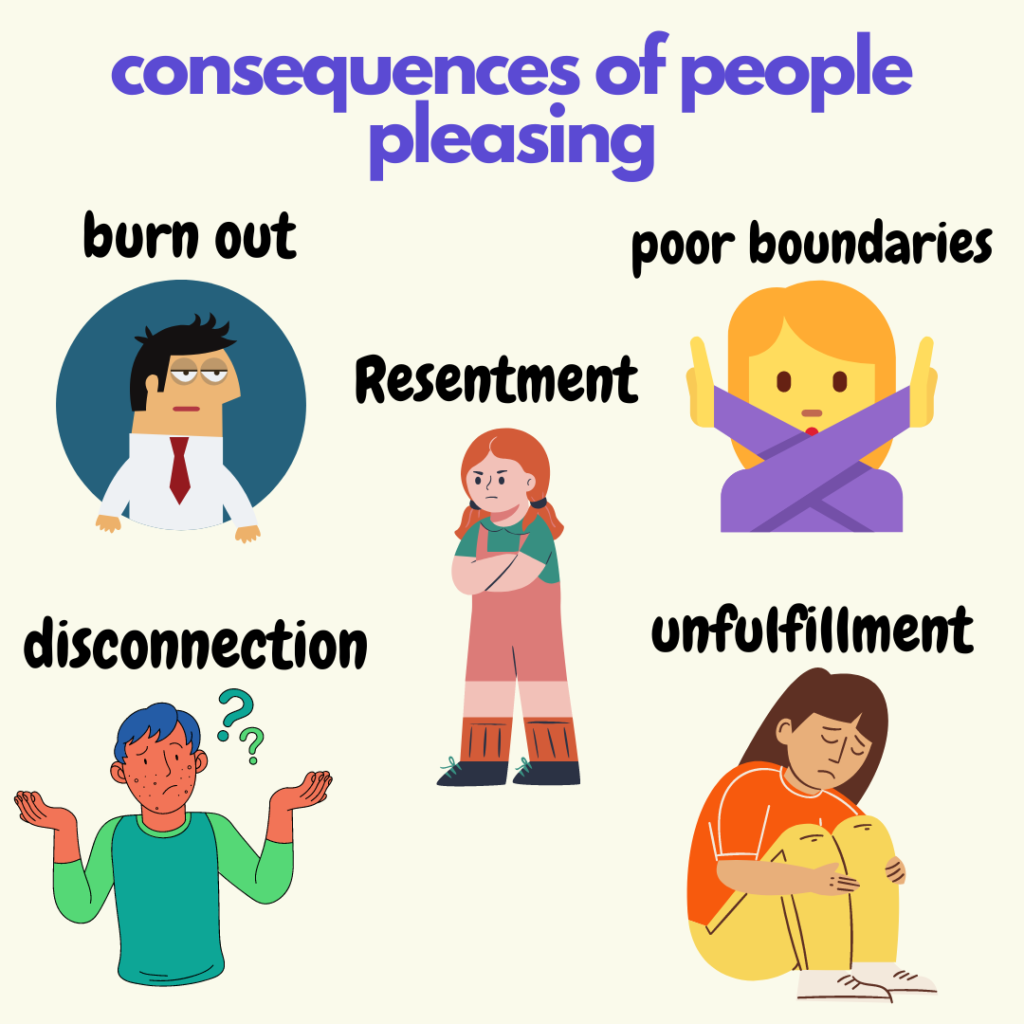
People-pleasing behaviors often manifest physically through collapsed postures, shallow breathing, and an inability to occupy space confidently. Yoga instructors working with this population report observing common patterns: rounded shoulders that seem to apologize for taking up space, restricted breathing that mirrors emotional constriction, and difficulty maintaining stable grounding through the feet. These physical manifestations mirror the psychological tendency to shrink, accommodate, and prioritize others' comfort over personal needs. The body literally holds the patterns of self-diminishment that characterize chronic people-pleasing, creating a feedback loop between physical posture and psychological positioning in relationships.

Specific yoga practices are proving particularly effective for developing boundary awareness and personal agency. Standing poses like Warrior II and Mountain Pose teach practitioners to claim their space unapologetically, while backbends help counteract the forward-collapsing tendency common among people pleasers. Breathing exercises, particularly those emphasizing strong exhales, help individuals practice saying 'no' on a physiological level before attempting it in social situations. Core-strengthening practices build the literal and metaphorical backbone necessary for maintaining personal boundaries, while balancing poses develop the stability needed to stand firm in one's convictions despite external pressure.


The transformation process appears to work through embodied experience rather than intellectual understanding alone. Practitioners report that feeling strong and grounded in their bodies translates directly into increased confidence in social situations. The practice of holding challenging poses while breathing deeply mirrors the skill of maintaining personal boundaries while remaining calm and centered. This somatic approach allows individuals to bypass the mental loops that often trap people pleasers in analysis paralysis, instead accessing wisdom through direct physical experience. The yoga mat becomes a safe laboratory for experimenting with taking up space and asserting personal needs.
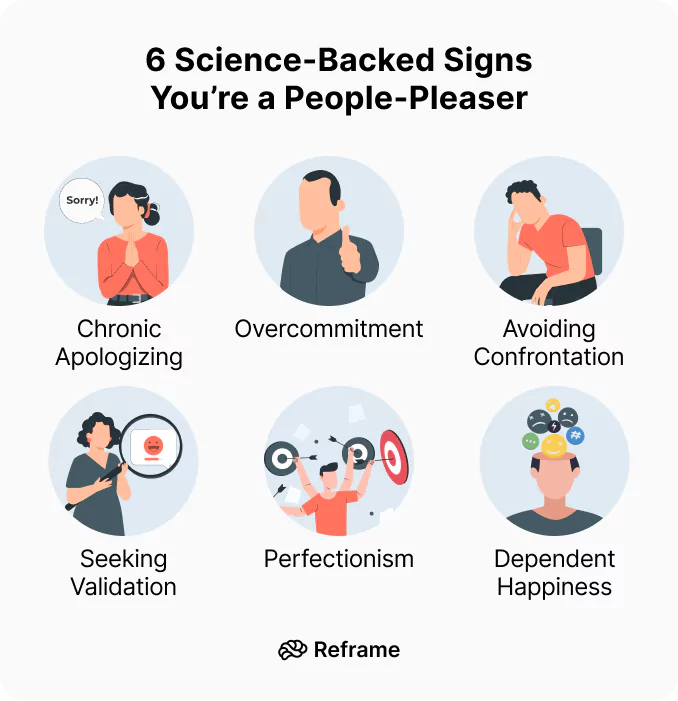
Research into somatic therapies supports yoga's effectiveness for addressing ingrained behavioral patterns like people-pleasing. The nervous system regulation that occurs through consistent yoga practice helps individuals move from reactive, accommodating responses to more thoughtful, boundaried interactions. Teachers specializing in this application report that students often experience breakthrough moments during practice—suddenly realizing they can choose strength over accommodation, presence over people-pleasing. These realizations, born from physical experience, tend to create more lasting change than purely cognitive approaches to boundary-setting.
The growing recognition of yoga's therapeutic potential for people-pleasing behaviors reflects a broader understanding of the mind-body connection in psychological healing. Studios across the country are beginning to offer specialized classes and workshops focused on empowerment and boundary-setting through asana practice. This development represents an evolution in how yoga is understood and applied, moving beyond physical fitness and stress relief toward targeted therapeutic intervention. For the millions of individuals struggling with people-pleasing patterns, yoga offers a path toward reclaiming personal power through embodied practice, proving once again that the ancient wisdom of yoga remains remarkably relevant to contemporary psychological challenges.